Today’s workplace looks very different from even a few years ago, and the way people learn has changed with it. Learning is no longer confined to a classroom or a one-off training session. People develop through a mix of experiences, conversations, digital resources and real-world practice. As Learning and Development professionals, our role is to create learning experiences that are engaging, practical and meaningful, helping people build skills that last long after the session has finished.
Learning Is No Longer One-Size-Fits-All
Every individual learns differently. Some people thrive in structured environments, while others prefer independent exploration in their own time. Effective L&D strategies recognise that learning should be personalised rather than standardised, making sure that it is a positive and useful experience rather than a box-ticking exercise.
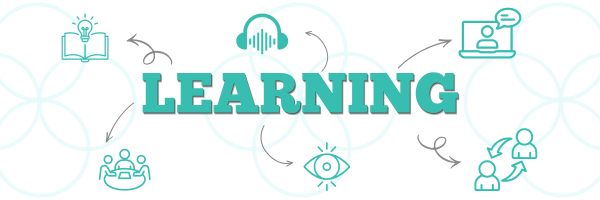
The most effective development programmes combine different approaches, allowing people to engage in ways that suit their role, experience and preferred learning style. Here are five of the many methods we use at Arden Matheson to keep learning engaging and, most importantly, memorable.
Each of these approaches plays a different role in creating learning that is relevant, memorable and sustainable. Used together, they help keep learning alive long after the formal programme has ended.
Social Learning
Some of our most valuable learning happens when we learn with and from others. Social learning happens through:
- Peer collaboration and peer-to-peer forums
- Group coaching conversations
- Mentoring relationships
- Team problem-solving
- Communities of practice
When employees share experiences, they gain practical insights from people facing similar challenges. We consistently hear that discussion-led forums are one of the most valuable elements of a learning programme because they encourage people to learn from one another, challenge different perspectives and build actionable insights that continue long after the session has ended. Actively creating environments like this can significantly improve learning retention.
Experiential Learning
One of the most powerful ways to learn is through doing. Some of our greatest learning happens when we’re stretched beyond our comfort zone, given the opportunity to tackle new challenges and supported to reflect on the experience afterwards. Experiential learning allows individuals to:
- Practice new skills
- Make mistakes in a safe and supportive environment
- Reflect on the outcomes
- Improve through repetition
Examples include simulations, scenario-based exercises, stretch assignments and action plans that encourage learners to put key takeaways into practice. Often, our greatest learning comes from trying something new, experiencing setbacks and reflecting on what we’d do differently next time.
One-to-One Coaching
Sometimes the most powerful learning happens through focused conversations. One-to-one coaching provides individuals with dedicated time and space to reflect, find solutions towards their challenges and develop the confidence to achieve their goals.
One-to-one coaching can help people to:
- Reflect on their experiences and performance
- Explore challenges and opportunities
- Develop greater self-awareness and confidence
- Set meaningful development goals
- Create practical actions for lasting change
Coaching offers a personalised learning experience that gives people the opportunity to pause, reflect on their experiences, explore different perspectives and turn insight into meaningful action.
At Arden Matheson, we use one-to-one coaching to complement our wider learning programmes, helping individuals embed new skills, navigate change and continue their development long after a workshop has ended.
Self-Directed Learning
Increasingly, learners want the flexibility to explore topics that matter to them. Self-directed learning allows them to do exactly that through activities such as:
- Reading articles and books
- Listening to podcasts
- Watching tutorials or TED Talks
- Joining webinars
- Researching best practices
- Exploring new tools independently
Our role as L&D professionals is not only to deliver content but also to curate high-quality resources that empower learners to guide their own growth. After each session, we share additional resources to encourage continued learning and support different learning preferences.
Blended Learning
Some of the most effective learning experiences combine several methods. Blended learning might include:
- Pre-course digital content and preparation
- Live workshop sessions – delivered in person, virtually, or through a combination of both
- Group discussion
- Practical application
- Follow-up coaching
- Refresher sessions
This creates a more complete learning journey that supports both understanding and behaviour change. That’s why blended learning forms the foundation of many of our programmes at Arden Matheson.
Three Top Tips for Keeping Learning Alive
- Make it practical: Encourage learners to apply key takeaways straight away through action plans, stretch tasks, or real workplace conversations.
- Keep the conversation going: Reinforce learning through team check-ins, peer discussion, coaching, and shared reflection after formal sessions.
- Revisit little and often: Use short refreshers such as microlearning, follow-up activities, or quick prompts to help learning stick over time.
What does successful learning look like?
Successful learning and development isn’t about choosing one method over another. It’s about creating an environment where people can:
- Learn continuously
- Learn collaboratively
- Learn independently
- Apply learning in the flow of work
Organisations that embrace a variety of learning approaches don’t just deliver better training. They build cultures where learning becomes part of everyday work. The result is a workforce that is more adaptable, more confident and better equipped to meet future challenges.
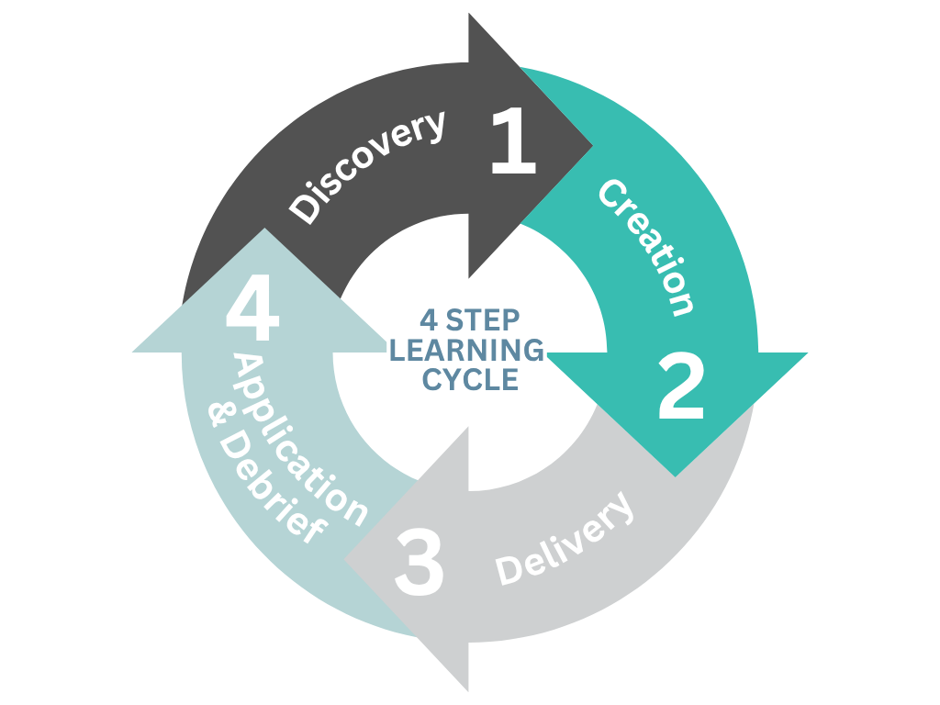
If you’re looking to refresh your current L&D offering or explore new ways to engage your learners, we’d love to chat. Get in touch to discover how we can partner with you, using our four-step learning cycle to create learning experiences that inspire people, build capability and deliver lasting impact.